

Precision Is the Foundation of Modern Systems
When people talk about progress in tech, logistics, or entertainment, they usually point to the flashy stuff, such as faster chips, smarter apps, automated warehouses, and big ideas that look great in pitch decks. And sure, that stuff matters. But that’s not where the real strength of a system lives. The real strength is in the quiet work. The things that show up every day do their job properly and never ask to be noticed.
Progress doesn’t come from excitement alone. It comes from things working the way they’re supposed to, like again and again. That kind of reliability is built from details. When the details are right, everything feels easy. Natural. Almost invisible. When they’re wrong, problems don’t explode all at once. They creep in. Costs go up. Waste piles on. Trust starts to wear thin. Getting the small stuff right is what keeps the big picture steady.
A streaming platform can win awards all day long, but if the infrastructure is weak, it buffers. A distribution centre can move thousands of units an hour, but if handling systems aren’t right, quality slips quietly. Small tools, used with intention, protect the whole operation.
Why Infrastructure Really Depends on Details
We usually imagine infrastructure as something massive, such as giant buildings, endless servers, huge fleets, and sprawling warehouses. But its real power isn’t size. It’s control.
Control of temperature.
Control of timing.
Control of spacing, airflow, movement, and pressure.
In a data centre, even a slight cooling issue can shorten the life of expensive equipment. In logistics, a few degrees off can mean products don’t meet safety standards. These systems are built in layers, and most of those layers are invisible to the people who rely on them.
People just press play. They open the freezer.
Behind those simple actions is a whole structure of decisions, safeguards, and physical design choices quietly doing their job.
Stability doesn’t happen by accident. It’s designed. Tools that manage spacing, alignment, and airflow might not look exciting, but they decide whether a system runs smoothly or struggles under pressure. When the small things are handled with care, the big things hold up.
Cold Storage: Where Precision Really Shows
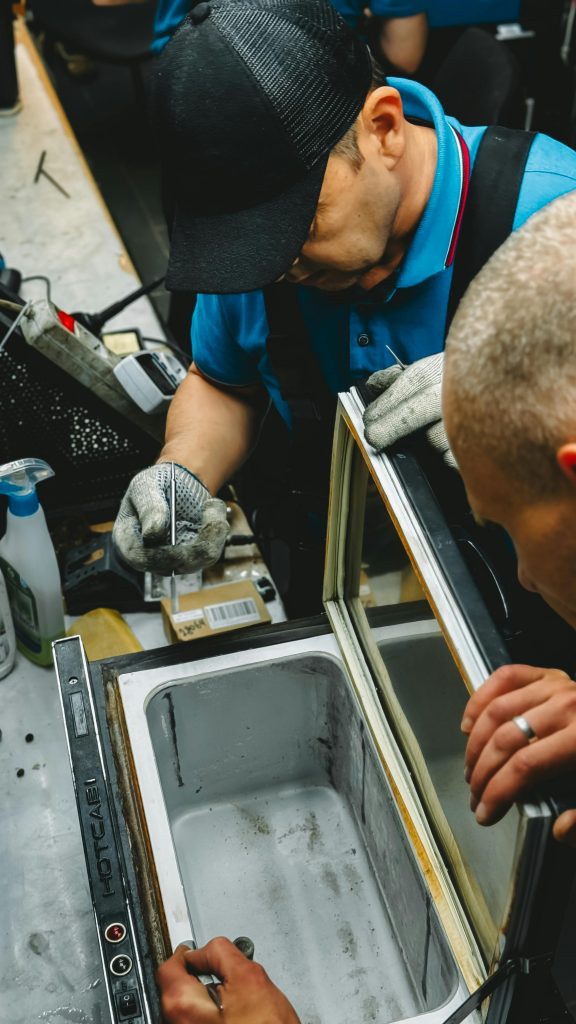
Cold chain logistics is a perfect example of how much weight small tools actually carry. Production, storage, transportation, and delivery are just a few of the regulated settings that frozen and chilled products go through. Consistent airflow and temperature are essential for each phase.
It is not possible to just stack items wherever there is room within large cold rooms and industrial freezers. Air cannot move when objects are packed too closely. This results in increased energy use, moisture, and uneven freezing. That eventually results in increased waste and expenses.
That’s why spacing matters. Even something as simple as Freezer Spacers plays a role in keeping air moving and temperatures even across large storage areas. It’s a small design choice with a big effect, protecting product quality, reducing spoilage, and keeping the cold chain doing its job. The results are real: less waste, better energy efficiency, stronger safety compliance, and more steadfast operations.
Technology Works the Same Way
Digital systems follow the same logic. Server rooms are designed so that heat doesn’t get trapped. Cables are routed to avoid interference. Components are positioned so air can flow where it’s needed. All of it is necessary.
People expect their content instantly with no buffering, no glitches, and no waiting. That experience depends just as much on physical setup as on software. Cooling, layout, and load balancing all work together to keep systems stable. Without those foundations, even the best ideas never make it to the screen. Precision in structure is what lets creativity actually reach people.
The Business Value of Getting the Small Stuff Right
Companies that care about details gain more than efficiency; they earn trust. Precision reduces risk. It cuts waste. It strengthens credibility. Customers might never see what’s happening behind the scenes, but they feel the result: consistent quality, reliable service, fewer problems.
Regulators see it the same way. Food and logistics operations are expected to follow strict rules around storage and transport. The Food and Agriculture Organization of the United Nations stresses the importance of temperature control and proper storage. The U.S. Food & Drug Administration also explains how cold storage protects public safety and confidence. The message is simple: details aren’t optional. They decide whether systems succeed or quietly fall apart.
Small Tools, Big Outcomes
Innovation isn’t always loud. Sometimes it’s a better layout. A smarter material. A small tool that solves one specific problem really well. Over time, those quiet improvements add up.
In logistics, that means less spoilage and lower emissions. In tech, fewer crashes and stronger uptime. In entertainment, smoother access and better experiences. It all starts with small, intentional choices.
A Culture of Precision
Those who care about how things function, not just that they run, are the ones who create the strongest systems. Detail-oriented engineers, operators, and planners foster situations where outstanding performance and perfection become the standard rather than the exception.
One significant event typically doesn’t have a major influence. It is the result of hundreds of tiny decisions made repeatedly and skilfully. When even the smallest tools are carefully selected, entire industries become more reliable, robust, and efficient.
That’s how development endures—not just via innovative concepts but also through collected, deliberate accuracy.