
Entertainment production barely has downtime anymore. One event ends, and another one starts loading in. Trucks arrive. Gear gets unloaded. Crews move fast because they have to. What once took weeks to plan and build now happens on tight windows that leave little space for delays.
Most of what the audience notices comes at the very end. The stage. The lights. The camera angles. What usually goes unnoticed is the physical setup that makes all of that possible. Temporary structures sit right there, doing their job quietly. They show up everywhere, such as touring concerts, outdoor film shoots, festival stages, pop-up events, and live broadcasts inside spaces that were never designed for production work. Without these structures, schedules would stretch, costs would climb, and many productions would struggle to stay on track.
These are not quick fixes. They are practical systems built for environments where things change fast, and pressure is constant.
Flexibility Is Part of the Job Now
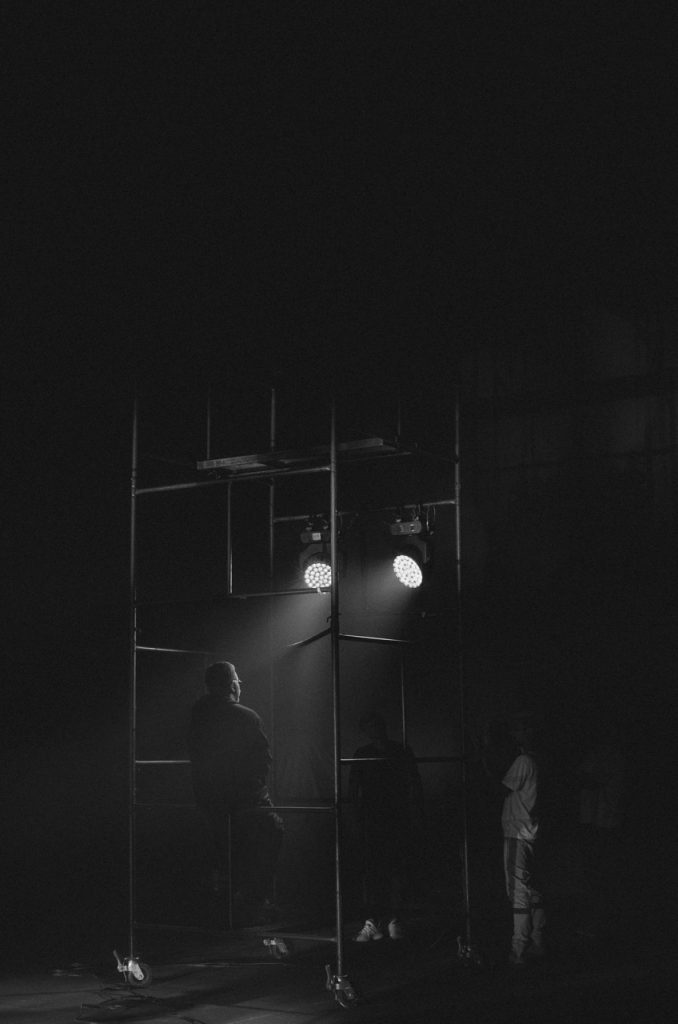
Production plans rarely stay fixed. Locations get confirmed late. The weather changes overnight. Creative decisions shift once equipment is already on site. Permanent construction cannot respond to that kind of movement. Temporary structures exist because production needs options.
Modular systems can be adjusted without starting over. A platform gets extended. A tower shifts position. A walkway changes direction. Small changes, on paper. Big difference on a working site. Stages, camera platforms, lighting towers, sound rigs, and access routes are usually built from systems crews already know how to assemble. That familiarity matters when timelines are tight and teams are working under pressure.
As live entertainment continues to scale back up, this approach has become standard. Coverage from Medium points out that touring productions now plan around speed and mobility just as much as size or display.
Safety Is Not Abstract on a Live Site
Behind the scenes, production work is demanding. Equipment moves overhead. People work at height. Days are long. There is very little room for mistakes. Temporary structures need to hold up under real conditions. Platforms need to feel stable the moment someone steps onto them. Guardrails need to be exactly where crews expect them. Access points need to stay clear when everything around them feels busy. If something feels off, work stops. If something fails, production stops entirely.
That reality has pushed safety expectations higher across the industry. Broadcasters and insurers increasingly ask for clear proof that structures meet professional standards, especially when the public is involved or when events are broadcast live.
Technology Still Depends on Solid Ground
Entertainment technology keeps advancing, but it has not escaped physics. LED walls, lighting rigs, suspended cameras, and sound systems all rely on physical support. Without stable frameworks, none of that technology works as intended.
Hybrid events have added more pressure. Productions designed for both live audiences and online viewers require precision. Camera positions matter. Sightlines matter. Platforms often need last-minute adjustments once technical teams finalise their setups.
Temporary structures make those adjustments possible without tearing everything apart. Much of that work starts with the structures holding the equipment in place.
Film and Television Lean on Temporary Builds
Films and television rarely happen in empty spaces. Shoots take place on streets, inside historic buildings, at public venues, and in outdoor locations where permanent changes are not allowed. Temporary structures make work possible without leaving damage behind.
Access towers, platforms, and support frames give crews what they need while keeping locations intact. When filming wraps, everything can be removed. Often, there is little sign that anything was ever there.
This approach has become routine, especially as productions move between locations more often. It also brings consistency. When setups can be repeated accurately, technical teams spend less time fixing the same issues again and again.
Why Experienced Providers Matter
Modern entertainment production leaves little space for trial and error. That is why experienced providers are so important. These providers understand safety standards, engineering requirements, and the reality of production timelines.
In the UK, companies such as A-Fix Scaffolding operate in this space, supplying compliant access and support systems used across multiple industries, including environments linked to entertainment production. Their work reflects a wider shift toward regulated, certified solutions rather than informal or improvised builds.
Temporary Structures Are Not Disappearing
Entertainment formats will keep evolving. Virtual production stages, augmented environments, and large-scale live events are becoming more common. Even so, physical space still needs to be used safely and efficiently.
Temporary structures offer what the industry relies on every day: flexibility without instability, speed without cutting corners, and reliability when schedules are tight. Most audiences will never notice them. That usually means everything is running exactly as it should.
Quiet. Dependable. Hard to replace.